
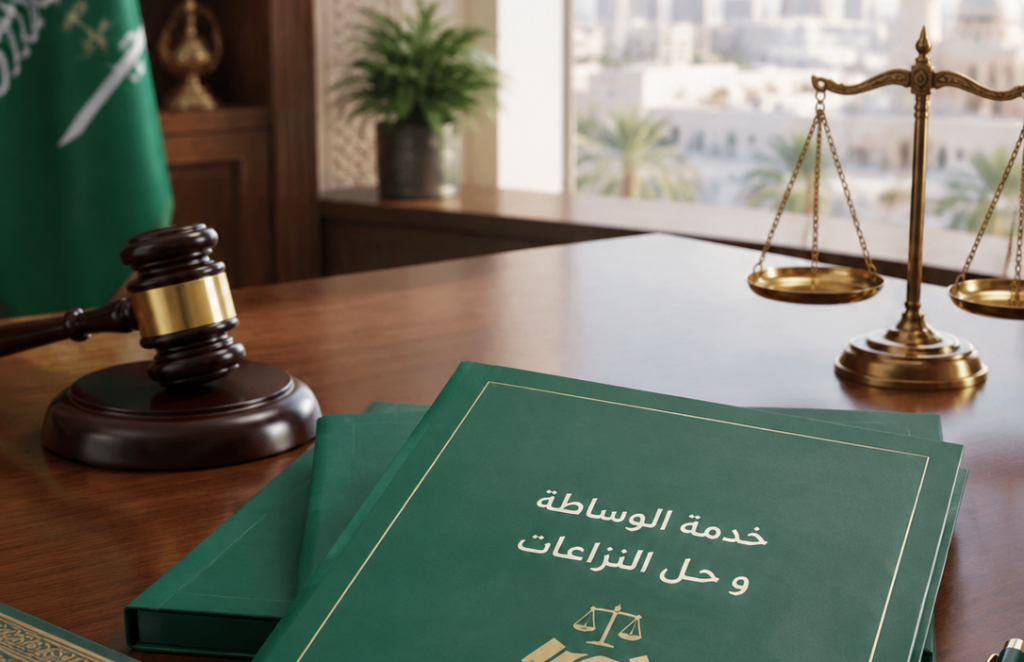
Mediation and dispute resolution are important legal mechanisms for addressing conflicts between individuals and entities, offering parties the opportunity to reach mutually agreeable solutions provided the settlement suits the nature of the dispute and is acceptable to all involved without the need for protracted judicial proceedings. Resorting to alternative dispute resolution methods helps reduce costs and save time, while preserving business and personal relationships and respecting the legal rights and obligations of each party.
Disputes may arise from differing perspectives on contract implementation, delays in financial payments, or disagreements regarding partnerships and real estate transactions. In such cases, an amicable settlement can be a worthwhile option to consider, particularly when the parties share a mutual desire to reach a suitable resolution.
A successful settlement requires a precise understanding of the facts, a review of documents and agreements, and an identification of the points of dispute, alongside an assessment of available options that takes into account the parties’ interests and legal rights.
Specialized legal consultation helps assess the legal position, clarify rights and obligations, and explore the possibility of reaching a suitable settlement agreement. A legal professional can also assist in negotiations, draft settlement agreements, and review their terms to ensure clarity regarding the agreed-upon obligations and their implementation mechanisms.
In the event that an amicable settlement cannot be reached, other available legal measures may be considered, depending on the nature of the dispute and applicable regulations.